
Study: Aspirin Plus Vitamin C a Better Anti-cancer Treatment Than Chemo
Analysis by Dr. Joseph Mercola : Sep 20, 2024
Mercola
Combining aspirin with vitamin C demonstrates superior results in shrinking tumors and extending survival times compared to either compound alone or conventional chemotherapy drugs, while being gentler on healthy cells.
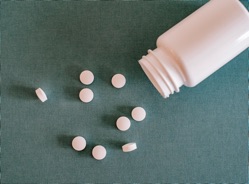 [Mercola] Aspirin is a staple in medicine cabinets worldwide, known primarily for its pain-relieving and anti-inflammatory properties. However, recent research is shedding light on a potentially game-changing role for this common medication: cancer prevention and treatment. (Image: Pexels)
While aspirin's anticancer properties have been hinted at in various studies over the years, this function has largely been overlooked in favor of newer, more expensive drugs. Now, groundbreaking experiments are not only reaffirming aspirin's potential in fighting cancer but also uncovering a more potent analog that could revolutionize our approach to cancer treatment.
This forgotten function of aspirin, and it's even more powerful cousin, may offer new hope in the battle against one of humanity's most persistent health challenges. Let's explore the exciting developments that are causing researchers to take a fresh look at this familiar drug.
Aspirin and Cancer: Introducing 2,6-Dihydroxybenzoic Acid
In my interview with Georgi Dinkov, [HERE], he discusses his experiments with mice using a combination of B vitamins—B1, B3 and B7—and aspirin to combat a highly lethal form of human mantle cell lymphoma. He found that while the vitamins alone stopped tumor growth, adding aspirin at a human-equivalent dose of about 1.5 grams per day led to complete tumor regression in all three test subjects.
Building on the success with aspirin, Dinkov introduced a more potent analog of aspirin known as 2,6-dihydroxybenzoic acid. Not only is it much stronger, it's also much more lipophilic, meaning it has a greater affinity for lipids (fats) than water. Lipophilic compounds tend to be more easily absorbed through cell membranes.
Dinkov explains the theoretical basis for using this compound, which is based on lowering intracellular pH to induce cancer cell death:
"One of Ray [Peat]'s main theories was that ... cancer cells ... [are] metabolically dysfunctional, we all know that, and typically a cell like that commits apoptosis. But in order to commit apoptosis, that mechanism is controlled almost entirely by the intracellular pH. And in order for apoptosis to occur, it needs to be in the acidic range.
But the cancer cells are alkaline due to exporting lactate and hydrogen ions. So, if anything can drop the intracellular pH, those cancer cells, because they're deranged, should actually disappear by themselves.
And one of Peat's suggestions at the time was, 'Why don't you use the drug acetazolamide?' which as a carbonic anhydrase inhibitor, increases carbon dioxide. Carbon dioxide is acidic, and then that should allow cancer cells to commit apoptosis.
There are some studies in vitro and in vivo showing that acetazolamide may work, but it didn't really cure the tumors. It was a slower growth, partial regression, but it showed that the idea was on the right track.
So, I said, 'Let's find something that's much more acidic than carbon dioxide.' And that is this 2,6-dihydroxybenzoic acid, which is just one extra hydroxyl group on top of aspirin. Salicylic acid, really, which is 2-hydroxybenzoic acid. And then this thing is about 10 times more potent than aspirin."
Follow-up studies have yielded promising results, with tumors regressing after one week. Dinkov notes that 2,6-dihydroxybenzoic acid is, "Freely available. No patent, nothing on it. Quite a few studies back in the day, but really a very generic molecule ... Dirt cheap, too. Cheaper than aspirin."
Just as aspirin was developed from a natural source (willow bark), other natural compounds, including those derived from the leaves of the medicinal plant Lithraea molleoides, also show cytotoxic effects, adding to the growing body of evidence that plant-derived compounds can have significant anticancer potential. Compounds isolated from Mangifera zeylanica, a species of mango tree native to Sri Lanka, also have cytotoxic and apoptotic effects.
Aspirin-Vitamin C Combination Treats Solid Tumors Better Than Chemo
While research suggests 2,6-dihydroxybenzoic acid could be a promising tool against cancer, aspirin also shows immense promise. Your body may benefit even more when aspirin is combined with vitamin C, which also has antitumor effects. Recent studies have shown that this combination can be more effective against cancer cells while remaining gentler on healthy cells compared to conventional chemotherapy drugs like doxorubicin.
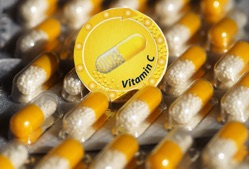 In laboratory tests, the aspirin-vitamin C combination showed a strong cytotoxic effect on liver cancer cells but was much less harmful to normal lung cells. This selectivity is crucial for reducing the side effects associated with cancer treatments. The synergy between these two common substances appears to enhance their individual anticancer properties, offering a safer alternative to harsh chemotherapies. (Image: Pixabay)
The potential of aspirin and vitamin C extends beyond the lab, with encouraging results in animal studies. When tested on rats with chemically induced liver cancer, the combination therapy showed remarkable results. After 90 days of treatment, the livers of treated rats had significant improvement in both appearance and function.
Importantly, most of the liver tissue appeared normal under microscopic examination. This combination therapy outperformed doxorubicin in restoring liver health and reducing tumor markers... Subscribe for free to Breaking Christian News here
Click Here to continue reading and watch the video report.